By Marcus Vance · Published
Key Takeaways
* Creator Ad Platforms Defined: Modern creator ad platforms like Agentio, Billo, and Anthum solve specific performance marketing bottlenecks across YouTube, traditional UGC, and AI video production. * Agentio for YouTube: Automates long-form 60-second YouTube sponsor reads for B2B and high-LTV brands, though it lacks short-form direct response agility. * Billo for Traditional UGC: Provides a marketplace of everyday creators for physical product unboxings at $60-$90 per video, constrained by 2-4 week shipping logistics. * Anthum for AI Scale: Anthum's AI video contest OS enables brands to source dozens of high-fidelity video ads in days, drastically reducing CAC and boosting creative velocity.Scaling user-generated content (UGC) using modern creator ad platforms is no longer a luxury for performance marketers; it is a mathematical necessity. As ad platforms lean heavier into machine learning, creative remains your biggest lever. Yet, when brands attempt to scale their creative output, they inevitably hit a wall. Managing creators, shipping products, negotiating rates, and waiting for deliverables creates a massive operational bottleneck. This friction has led to a surge in specialized creator ad platforms, each promising to solve the creative velocity problem from a different angle.
In this side-by-side comparison, we evaluate three distinct approaches to scaling creator content: Agentio (automated YouTube sponsorships), Billo (a traditional UGC marketplace), and Anthum (an AI video ad contest platform). By understanding the unique mechanics, bottlenecks, and economics of these creator ad platforms, you can align your creative strategy with the engine that will actually drive your return on ad spend (ROAS).
Why Are Brands Shifting Between Creator Ad Platforms?
Brands are shifting between platforms because the traditional methods of sourcing creator content are fundamentally too slow for modern media buying. If your creative testing cycle takes four weeks, your ad account is already bleeding money.
According to Influencer Marketing Hub’s 2024 Benchmark Report, 71% of marketers cite "creative production speed" as their primary bottleneck in scaling ad spend. Furthermore, a 2023 study by Wyzowl found that 91% of businesses use video as a marketing tool, yet over half struggle to produce enough variations for effective A/B testing.
"The bottleneck in modern performance marketing isn't media buying; it's creative velocity. If you can't test 20 new hooks a week, your ROAS will inevitably decay," notes David Herrmann, a prominent DTC media buyer.
Brands need advanced creator ad platforms that don't just connect them with creators, but actively remove the friction of production, licensing, and payouts. This demand for operational efficiency is exactly why we are seeing a divergence in how creator platforms operate.
How Does Agentio Work for YouTube Sponsorships?
Agentio works by treating YouTube creator sponsorships like programmatic ad buys, allowing brands to bid on and purchase 60-second ad reads across a network of creators. Instead of spending weeks negotiating with individual YouTubers, brands can use Agentio to filter creators by audience demographics, set a budget, and deploy a standardized brief.
Among specialized creator ad platforms, Agentio has effectively productized the YouTube integration. Creators opt-in, review the brief, and integrate the sponsor read into their next video. The platform handles the contracting, brand safety checks, and payouts.
However, Agentio is highly specialized. It focuses almost exclusively on long-form YouTube content. While this is incredibly powerful for brand awareness and complex product explanations (like SaaS or fintech), it does not solve the need for high-volume, short-form direct response creatives required for Meta and TikTok.
Agentio: Pros and Cons
| Pros | Cons | | :--- | :--- | | Automates tedious YouTube sponsorship negotiations. | Limited to long-form YouTube integrations. | | High trust and high intent from creator audiences. | Very expensive per placement compared to short-form. | | Brand safety controls built into the workflow. | Not designed for rapid A/B testing of ad hooks. |
Best For: B2B companies, fintech apps, and high-LTV consumer brands looking to scale long-form influencer marketing on YouTube.
What Makes Billo Different for Traditional UGC?
Billo differentiates itself by operating as a high-volume, low-cost marketplace specifically designed for physical product brands to source traditional, short-form UGC. Brands upload a brief, creators pitch themselves, the brand selects their favorites, ships the product, and waits for the videos.
Among traditional creator ad platforms, Billo has been a staple for e-commerce brands. It standardized the pricing of UGC ($60-$90 per video) and provided a centralized delivery dashboard. If you need 10 different people unboxing a new skincare product in their living rooms, Billo provides the infrastructure to make that happen without hiring an internal influencer manager.
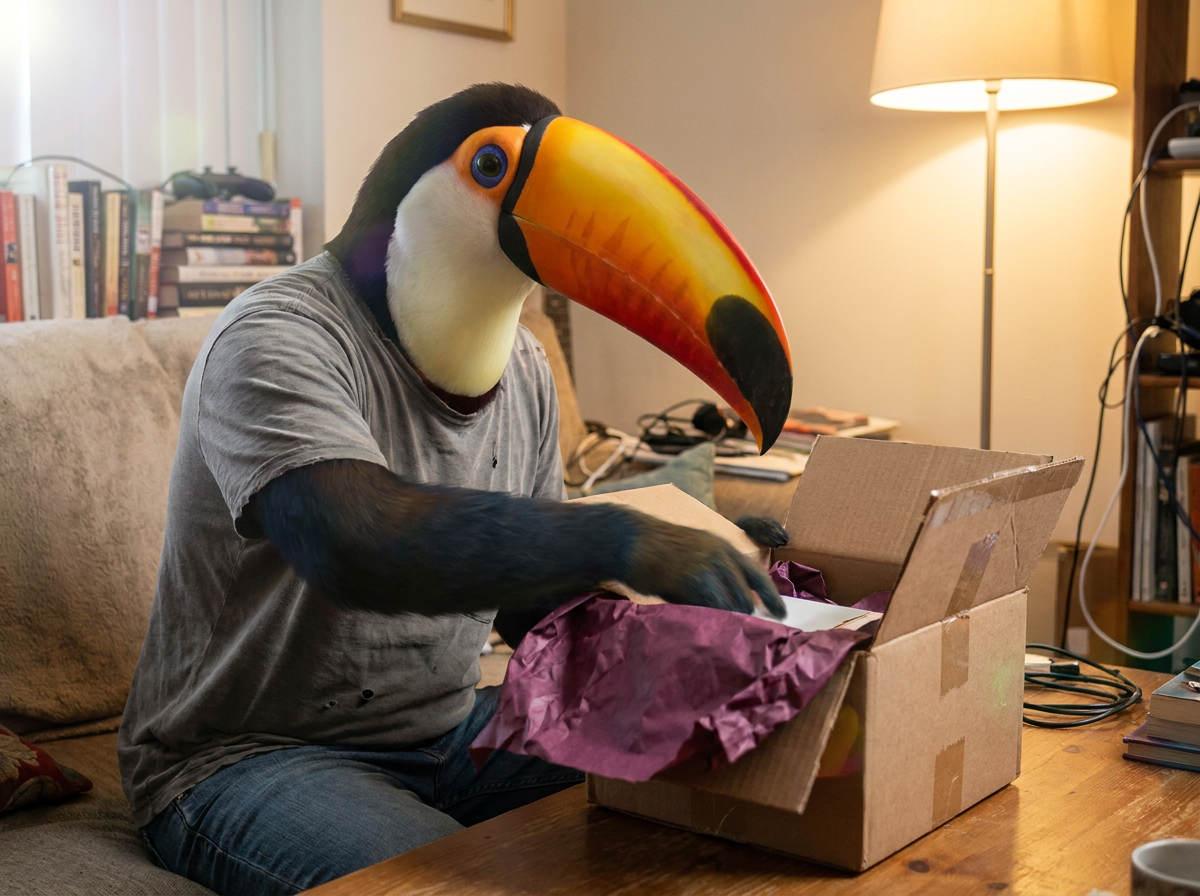
Yet, Billo suffers from the inherent flaws of physical production. You still have to ship the product. You still have to wait for the creator to receive it, film it, and upload it. This process typically takes 2 to 4 weeks. Furthermore, because the barrier to entry for Billo creators is quite low, brands often complain about inconsistent lighting, poor audio quality, and a failure to follow strict direct-response scripting guidelines. When you are trying to scale UGC video, waiting a month for a batch of videos that might need heavy re-editing is a significant liability.
Billo: Pros and Cons
| Pros | Cons | | :--- | :--- | | Very affordable base price per video. | Slow turnaround times (2-4 weeks minimum). | | Massive network of diverse, everyday creators. | Inconsistent video, audio, and acting quality. | | Great for authentic physical product unboxings. | Logistics bottleneck (shipping physical products). |
Best For: Early-stage DTC brands and Amazon sellers who need authentic unboxing videos and have the time to manage physical shipping logistics.
How Do AI Video Contests on Anthum Redefine Scale?
Among modern AI-driven creator ad platforms, Anthum redefines scale by completely bypassing physical production bottlenecks through an AI video contest operating system. Instead of hiring one creator and hoping for a good result, brands launch a creative brief on Anthum, and a global marketplace of AI video creators competes to build the best ads.
Because Anthum's creators utilize advanced AI video generators, AI avatars, and AI voiceovers, there is no need to ship physical products. A brand simply uploads their brand kit, product images, and messaging guidelines. Within days, dozens of fully produced, high-fidelity video ads are submitted to the brand's dashboard.
The contest model is a game-changer for performance marketing. You only pay for the winning videos you select, meaning your creative budget is protected from underperforming assets. Anthum acts as a complete end-to-end OS: from brief creation and structured judging pipelines to automated creator payouts and full commercial licensing.

By leveraging the speed of AI generation and the competitive mechanics of a contest, Anthum delivers the volume and variety required for aggressive media buying. If you are comparing AI UGC platforms, Anthum is the only solution purpose-built to deliver scalable, contest-driven creative assets without the generic, templated feel of single-tool software.
Anthum: Pros and Cons
| Pros | Cons | | :--- | :--- | | Massive volume: Receive dozens of ad variations in days. | Requires a clear, well-structured creative brief. | | Zero shipping logistics: 100% AI-generated video assets. | Not suited for brands requiring literal physical unboxings. | | Cost-efficiency: Only pay for the winning assets you license. | Requires internal capacity to review multiple submissions. |
Best For: Growth-focused DTC brands, mobile apps, and performance marketing agencies that need a massive volume of high-converting video variations for Meta, TikTok, and YouTube Shorts.
Which Platform Delivers the Best ROI for Your Brand?
Determining which platform delivers the best ROI depends entirely on your current growth bottleneck.
If your bottleneck is getting deep, long-form explanations of a complex product in front of niche audiences, Agentio is a powerful tool to automate YouTube sponsorships. If you are a new physical product brand that absolutely must show a real human opening a cardboard box, and you have a month to wait, Billo remains a viable, low-cost marketplace.
However, if your bottleneck is creative velocity—if your Meta and TikTok ad accounts are fatiguing because you cannot test new hooks, scripts, and visuals fast enough—Anthum is the clear winner. The traditional model of one-to-one creator sourcing is fundamentally incapable of keeping pace with modern algorithmic ad buying. By combining the speed of AI with the competitive drive of a creator marketplace, Anthum delivers the sheer volume of AI video ad examples and variations required to systematically lower your Customer Acquisition Cost (CAC).
Ultimately, the future of performance marketing belongs to brands that can iterate the fastest. Choosing the right creator ad platforms is the first step in building a creative engine that never runs dry.
Ready to eliminate your creative bottlenecks and scale your ad account with unparalleled velocity? Launch your first AI video ad contest on Anthum today and watch the submissions roll in. Get started with Anthum or book a call with our creative strategy team to learn how we can transform your UGC pipeline.