By Jaxson Thorne · Published
 \### Key Takeaways
- Understand the core differences: Foreplay is built for saving inspiration, Motion excels at analyzing past performance, and Anthum actually produces new assets at scale.
- Creative production is the true bottleneck: While tracking and moodboarding are helpful, 89% of marketers struggle with producing enough high-quality variations to beat ad fatigue.
- AI contests drive unprecedented volume: Anthum's unique model leverages AI video contests and a creator marketplace to handle the entire brief-to-licensing pipeline.
- End-to-end ecosystems win: Fragmented tech stacks increase costs. Choosing an ad creative software that integrates brief creation, UGC generation, and creator payouts significantly lowers Customer Acquisition Cost (CAC).
Some ad creative software platforms help you save ads. Others help you analyze them. But very few actually help you make them at the velocity required by modern algorithms.
In this hard-hitting comparison, we are breaking down the three heavyweights in the creative ecosystem: Motion, Foreplay, and Anthum. We will evaluate their strengths, expose their limitations, and reveal which ad creative software actually dominates the landscape when it comes to driving measurable Return on Ad Spend (ROAS).
What Are the Core Differences Between These Ad Creative Software Platforms?
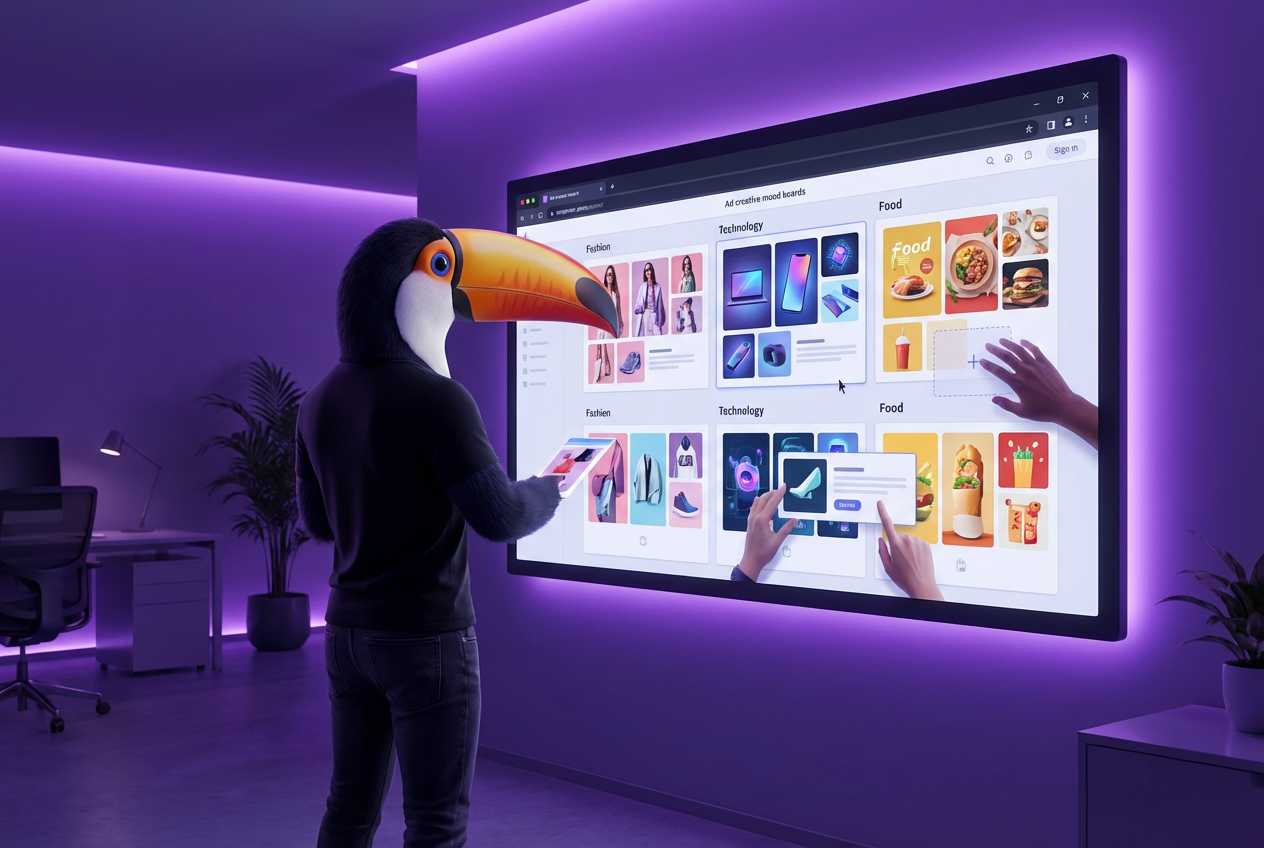 The core difference between these ad creative software platforms lies in their primary function within the creative workflow: Foreplay is for ideation, Motion is for analytics, and Anthum is for end-to-end production.
To build a high-converting ad account, brands need a constant influx of fresh video concepts. According to Nielsen's comprehensive marketing mix modeling, creative quality drives 47% of a campaign's total sales lift—making it the single most important factor in advertising success. Yet, brands consistently confuse tools that manage creative with tools that generate creative.
Here is a quick breakdown of how these three platforms stack up:
Feature/CapabilityForeplayMotionAnthumPrimary FunctionSwipe file & MoodboardingCreative Analytics & ReportingEnd-to-End Creative OS & ProductionAsset GenerationNo (Downloads existing)No (Analyzes existing)Yes (Generates net-new AI & UGC video)Creator MarketplaceNoNoYes (Integrated creator network)Contest MechanicsNoNoYes (AI video ad contests)Licensing & PayoutsNoNoYes (Automated within platform)Data VisualizationBasicAdvanced/DeepIntegrated Campaign Analytics
While all three fit under the broad umbrella of ad creative software, they serve completely different masters. Let's dive deep into each platform to see where they shine and where they fall short.
Foreplay: Ad Creative Software for Inspiration & Moodboarding
Foreplay helps digital marketers by acting as a centralized swipe file and moodboarding platform designed to save, organize, and share winning ad inspiration from platforms like TikTok and Meta.
Before you can brief a creator or an editor, you need to know what is currently working in the market. Foreplay solves the "blank page syndrome" that plagues creative strategists. Instead of losing great ads when you refresh your feed, Foreplay's Chrome extension allows you to save ads permanently, stripping away watermarks and organizing them into shareable boards.
However, inspiration is only the first step. Foreplay does not create the ads for you. It requires you to take those moodboards, write manual briefs, hire creators externally, and manage the production process through a disconnected chain of emails and Google Drive folders.
Best For: Creative strategists, agency owners, and media buyers who need to build swipe files and present visual ideas to internal teams or clients.
Foreplay Pros and Cons
ProsConsEffortless saving of TikTok and Meta adsDoes not actually produce or edit any video assetsPermanent storage (ads don't disappear)Requires external tools to execute the ideasEasy to share moodboards with clientsCan lead to copying competitors rather than innovatingAuto-generates basic briefs from saved adsNo built-in creator network to fulfill the briefs
Motion: Ad Creative Software for Performance Analytics
 Media buyers use Motion to bridge the critical gap between raw data and creative strategy by transforming complex spreadsheet metrics into visual, easy-to-read creative analytics.
If Foreplay is the starting line, Motion is the post-game analysis. Motion connects directly to your ad accounts (Meta, TikTok, YouTube) and visualizes exactly which creative elements are driving conversions. It allows media buyers to share "thumb-stop ratios" and "conversion rates" with video editors in a visual format that creative teams actually understand.
As Savannah Sanchez, a leading TikTok and Meta ad strategist, notes: "The biggest challenge in 2024 isn't analyzing the data—it's feeding the machine with enough fresh, high-quality video variations to beat ad fatigue."
This is where Motion's limitation becomes apparent. It is an incredible diagnostic tool, but it is not a cure. Motion will tell you that your "hook rate is dropping," but it will not generate the new hooks you need to fix the problem. You still have to source creators, write scripts, and edit the variations yourself.
Best For: Performance marketers, data-driven media buyers, and growth agencies managing large ad spends who need to pinpoint exact points of creative fatigue.
Motion Pros and Cons
ProsConsBest-in-class visual reporting for creativesStrictly an analytics tool; zero asset productionBridges the communication gap between media buyers and editorsExpensive for smaller brands or solo creatorsExcellent cohort analysis and hook reportingRelies entirely on you uploading your own creative firstIntegrates seamlessly with major ad networksDoes not facilitate creator sourcing or UGC management
Anthum: The Ad Creative Software for Production at Scale
Anthum generates ready-to-run assets by operating as an end-to-end ad creative software that leverages AI video contests and an integrated creator marketplace to produce, judge, and license videos at scale.
Unlike Foreplay (which saves ads) and Motion (which tracks ads), Anthum actually makes the ads. And it does so using a revolutionary model: contest-based creative generation.
Here is how the Anthum workflow operates: A brand uploads their brand kit and campaign brief into Anthum's creative OS. Instead of hoping one or two hired influencers deliver a good video, Anthum broadcasts the brief to a vast marketplace of AI video creators. These creators use Anthum's integrated AI tools—including AI script writing, AI ad generators, and video editing suites—to compete by submitting high-quality, UGC-style video ads.
The brand then reviews a massive pipeline of submissions, selects the winning creatives, and licenses them instantly. Anthum handles the creator payouts, the usage rights, and the asset delivery. It is a complete ecosystem designed to scale UGC video and cut Customer Acquisition Costs.
Meta's internal data reveals that campaigns with highly diversified creative formats achieve a 32% lower CPA. Anthum guarantees this diversification because your brief is being interpreted by dozens of different creators simultaneously, resulting in a wide variety of hooks, angles, and visual styles.
Best For: DTC brands, growth marketing teams, and performance agencies that need a high volume of ready-to-launch video assets without managing a messy, fragmented production pipeline.
Anthum Pros and Cons
ProsConsProduces actual, ready-to-run video assets at scaleRequires a mindset shift to contest-based sourcingEnd-to-end OS: brief, produce, judge, and license in one placeLess focused on deep historical analytics than MotionAccess to a massive marketplace of skilled AI video creatorsBrands must write clear briefs to get the best resultsDrastically lowers the cost per asset compared to traditional agencies
Which Ad Creative Software Delivers the Best ROI?
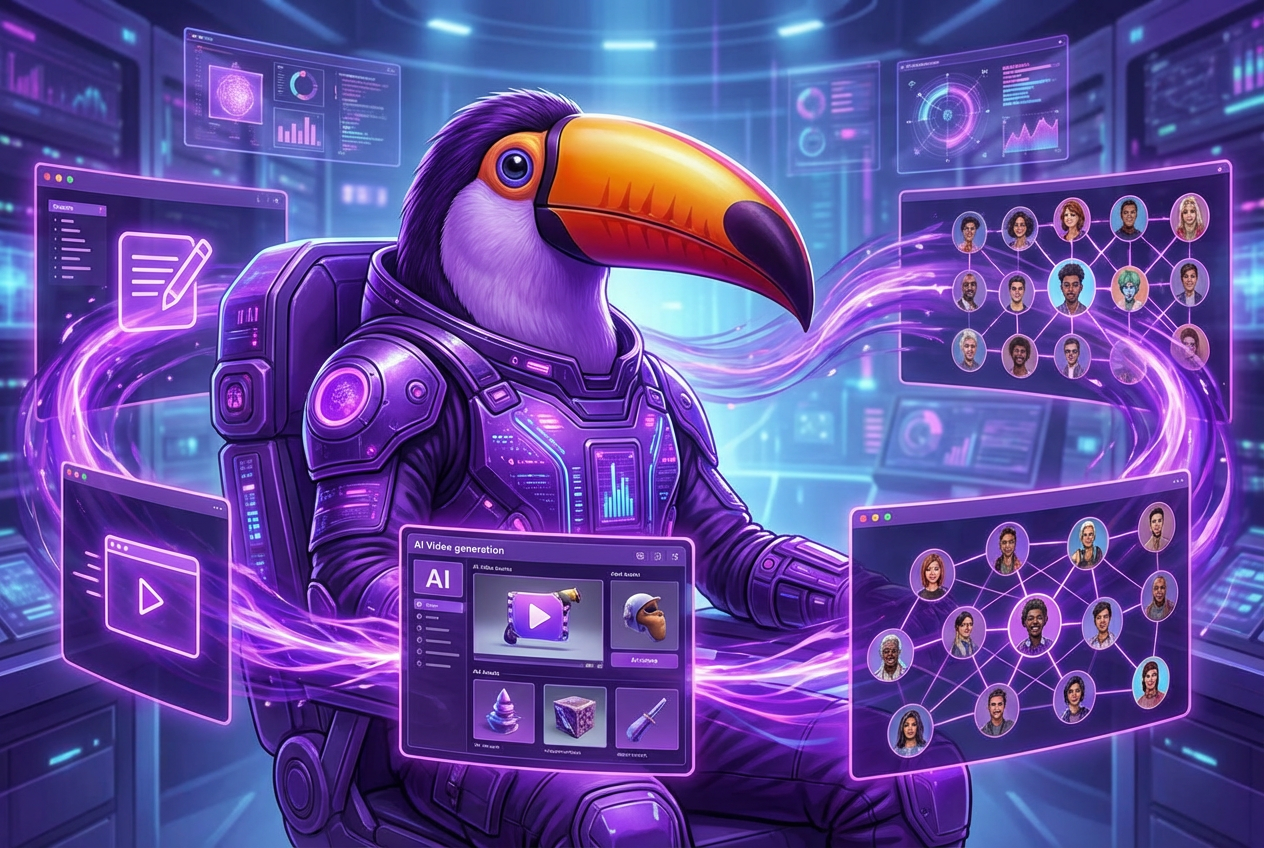
When evaluating which ad creative software provides the best ROI, you have to look at the cost of the software versus the tangible assets it delivers to your business.
Foreplay is highly affordable and provides great ROI in terms of time saved during the research phase. Motion is more expensive, but its ROI comes from budget optimization—preventing you from wasting money on fatigued ads.
However, Anthum provides the most direct and measurable ROI because it delivers the actual product: high-converting video assets. In The $250 Billion Wave: How AI Video Contests Are Unleashing Unprecedented Brand-Creator Synergy, industry data highlights that brands utilizing contest-based AI generation can reduce their creative production costs by up to 60% while simultaneously tripling their output volume.
Wyzowl's 2024 Video Marketing Report shows that 89% of consumers want to see more video from brands. You cannot meet that demand simply by moodboarding or analyzing old data. You need a production engine. By combining AI tools with a creator marketplace, Anthum ensures that your ad account is never starved for fresh creative.
Verdict: Choosing Your Ideal Ad Creative Softwareld You Choose in 2024?
Choosing the right ad creative software depends entirely on the specific bottleneck in your current workflow.
- Choose Foreplay if: Your biggest struggle is coming up with ideas. If you have an in-house team of creators and editors sitting idle because you don't know what concepts to give them, Foreplay is the perfect swipe file solution.
- Choose Motion if: You are spending upwards of $50k/month on ads, you already have a massive library of video assets, and your main problem is figuring out why your CPAs are fluctuating.
- Choose Anthum if: Your biggest bottleneck is production. If you know what you want to make, and you know how to run ads, but you simply cannot produce enough high-quality UGC and AI video variations to feed the algorithm, Anthum is the undisputed winner.
Stop paying for software that just tells you what you should be making. It is time to upgrade to a platform that actually builds the creative engine for you. If you are ready to experience the power of AI video ad contests and an integrated creator marketplace, book a call with our team today and let Anthum transform your ad creative pipeline.