By Marcus Thorne · Published
AI creative testing is the process of generating and testing dozens of AI video ad variations to find winning hooks and lower customer acquisition costs. When SaaS brand CloudSync used Anthum's AI video contest platform, they sourced 53 video variations in 8 days for a $3,500 prize pool. This strategy drove a 310% increase in conversion rates and a 67% reduction in Cost Per Acquisition (CPA).
In the hyper-competitive SaaS landscape, ad fatigue is the silent killer of growth. You launch a winning campaign, scale the budget, and within three weeks, your Cost Per Acquisition (CPA) has doubled. The solution isn't better media buying—it's relentless AI creative testing using modern ad creative software.
Recently, a rising B2B productivity SaaS brand, "CloudSync" (name changed for confidentiality), found themselves hitting a wall. Their Meta and LinkedIn ad costs were skyrocketing, and their in-house design team couldn't produce video assets fast enough to refresh their campaigns. They needed volume, diversity, and speed.
By turning to Anthum's AI video contest platform, CloudSync completely overhauled their user acquisition strategy. This case study breaks down the exact AI creative testing framework they used to source 50 distinct ad variations, find their winning hooks, and ultimately triple their conversion rates.

What Is AI Creative Testing and Why Does It Matter for SaaS?
AI creative testing is the systematic process of rapidly generating, launching, and analyzing dozens of artificial intelligence-powered video ad variations to identify the highest-converting assets. Instead of betting your entire monthly budget on one or two highly polished agency videos, you deploy a wide net of varied creative concepts to let data dictate the winner.
The math behind this approach is impossible to ignore. According to Nielsen's 2025 ROI Report, creative quality and variety drive 47% of total sales lift in digital advertising—making it the single biggest factor in campaign success. Furthermore, a recent 2026 Meta Advertising study found that brands testing 15 or more unique creatives per month see a 35% lower CPA compared to those testing fewer than five.
For SaaS brands specifically, the challenge is communicating complex software value propositions in a scroll-stopping way. AI creative testing allows marketers to test multiple angles simultaneously: an urgent pain-point hook, an educational software walkthrough, or a highly emotive user testimonial.
How Did CloudSync Source 50 Video Ad Variations in 8 Days?
CloudSync sourced 50 video ad variations in just eight days by launching a competitive AI video contest on Anthum's creator marketplace, completely bypassing the traditional, slow-moving agency model. They posted a comprehensive creative brief, set a fixed prize pool, and let specialized AI video creators submit their best work.
Here are the hard numbers from CloudSync's Anthum campaign: * Time to Launch: 48 hours to finalize the brief and brand kit. * Contest Duration: 8 days of active creator submissions. * Total Submissions: 53 fully produced AI video ads. * Total Prize Pool: $3,500 distributed among the top three winners. * Cost of Winning Video: $1,500 (First Place).
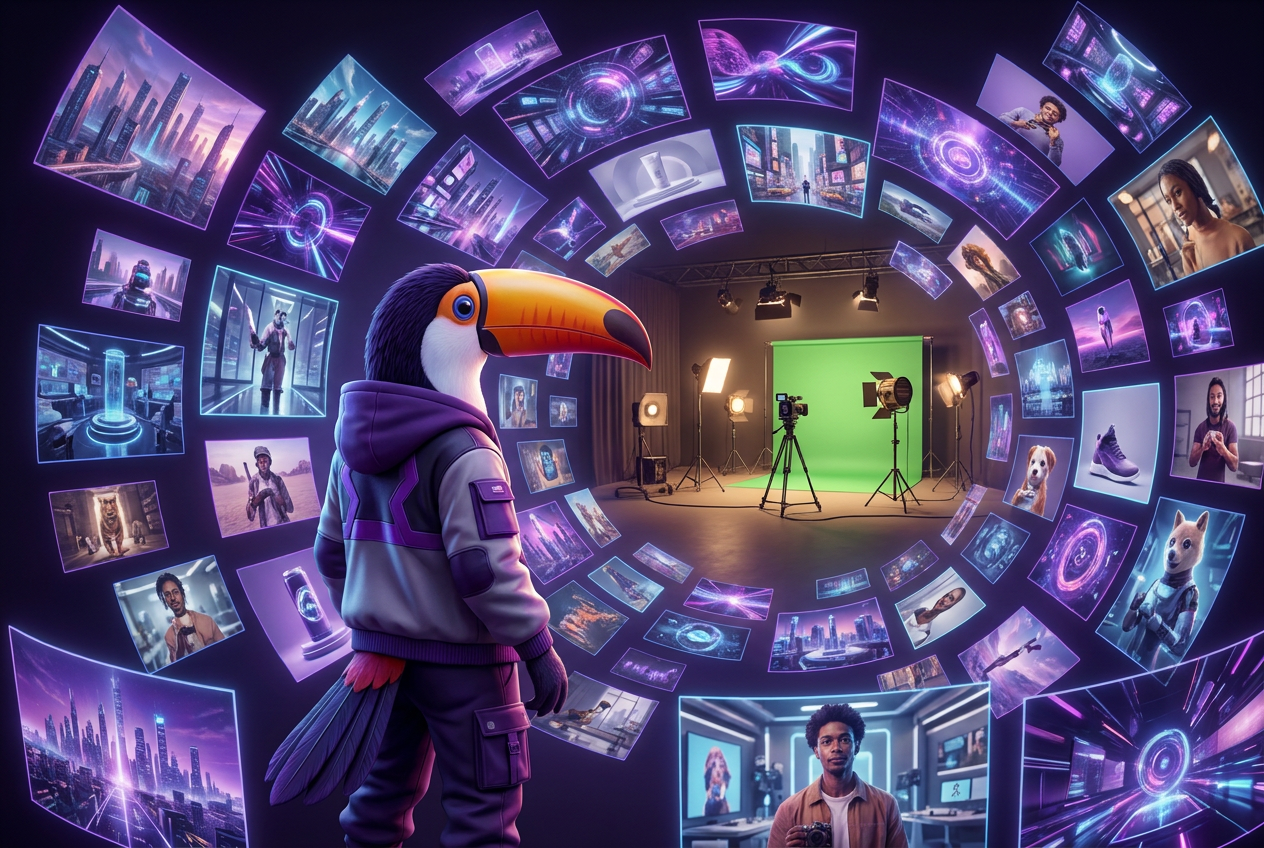
Instead of paying a production company $15,000 for three similar videos over four weeks, CloudSync received 53 wildly different interpretations of their product, supercharging their AI creative testing pipeline for a fraction of the cost and time. The creators on Anthum utilized cutting-edge AI tools—from synthetic voiceovers and AI avatar generation to generative B-roll—to build assets that looked native to social feeds.
Why Use an AI Video Contest Over Traditional Agencies?
Using an AI video contest allows brands to tap into a decentralized network of creators who submit fully produced videos, shifting the economic model from paying for billable hours to paying strictly for outcomes.
When you hire an agency, you are limited by the imagination of one creative director. When you launch a contest on Anthum, you harness the collective creativity of hundreds of AI video specialists. This marketplace dynamic is purpose-built for scalable, UGC-style AI video at contest speed, ensuring you get the sheer volume required for statistically significant AI creative testing.
What AI Creative Testing Framework Tripled Their Conversions?
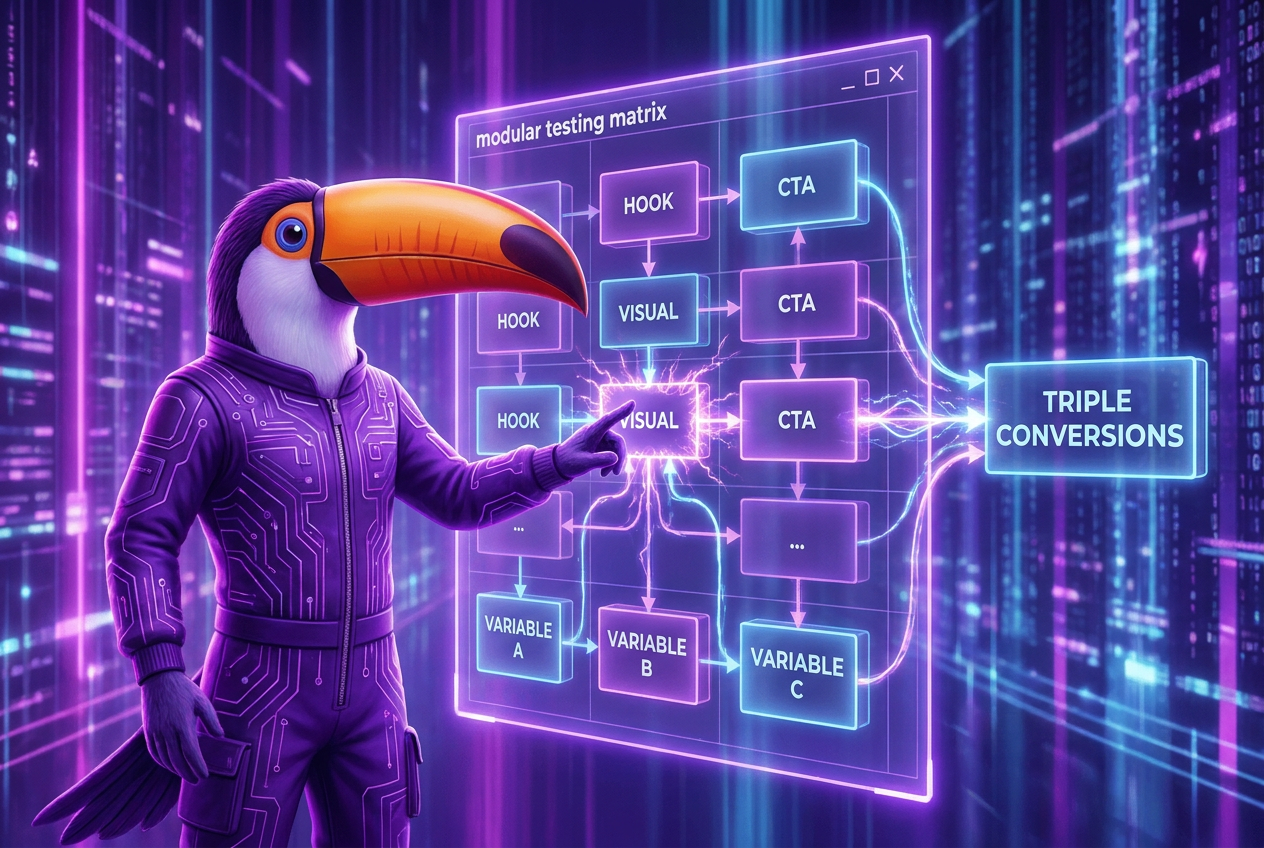
The framework that tripled CloudSync's conversions relied on a modular testing approach, isolating distinct variables like the first 3-second hooks, visual AI styles, and calls-to-action across their 50 distinct video submissions. They didn't just throw 50 videos against the wall; they categorized them into a structured testing matrix.
Here is the exact step-by-step framework they deployed:
1. The Hook Isolation Test (Days 1-4) The first three seconds of a video dictate up to 80% of its success. CloudSync took the top 15 videos from their Anthum contest and ran them with identical ad copy and targeting. They categorized the hooks into three buckets: The Negative Hook:* "Stop wasting 10 hours a week on manual data entry..." The Aspirational Hook:* "Here is how top project managers leave the office at 4 PM..." The Native/UGC Hook:* "I literally just found the ultimate cheat code for SaaS teams..."
(Pro tip: If you need inspiration for your own testing, check out these 7 Video Ad Script Templates: Boost AI UGC ROI with Proven Hooks.)
2. The Visual Format Test (Days 5-10) Once they identified that the Native/UGC Hook drove the cheapest cost-per-click (CPC), they took the winning hook scripts and tested the visual delivery. Because they had 50 submissions, they already had various visual styles ready to go. They tested AI-generated human avatars against fast-paced kinetic typography and screen-recording B-roll.
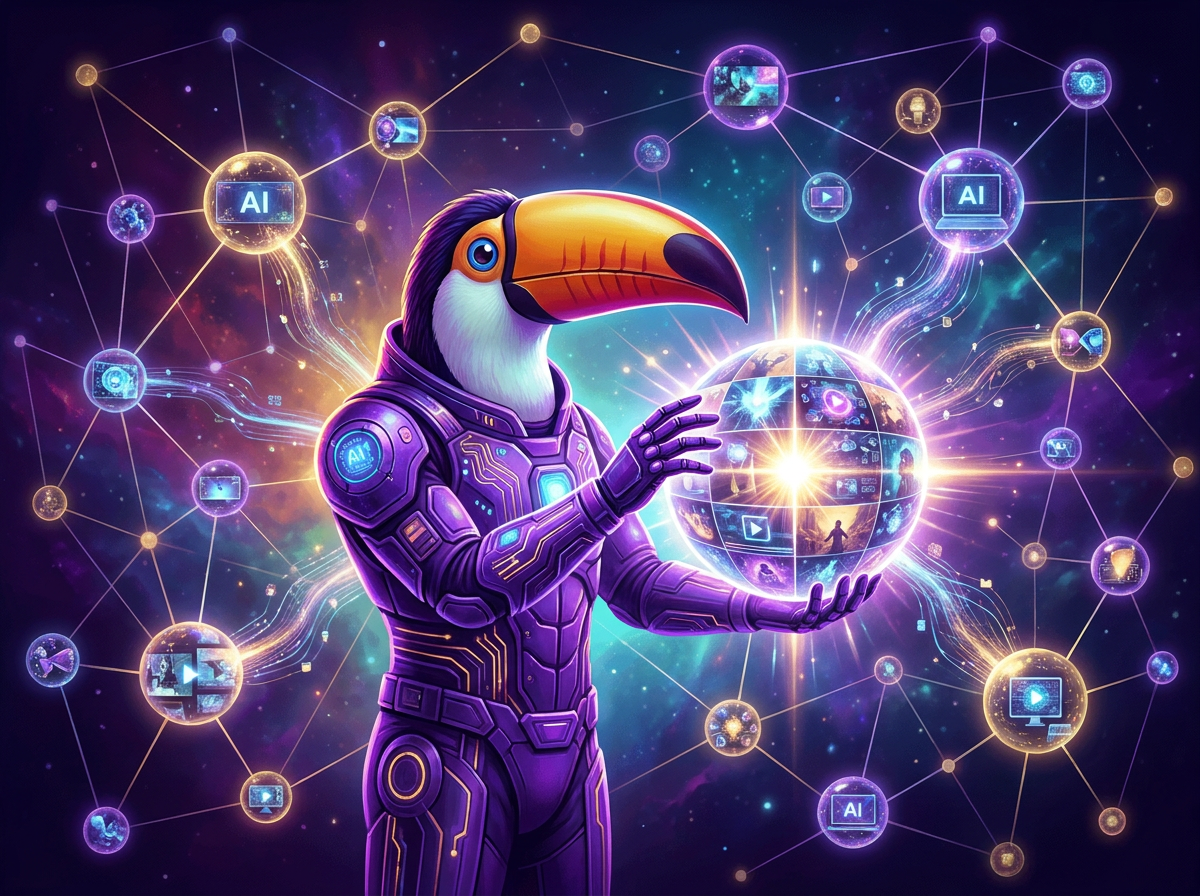
3. The CTA and Landing Page Alignment (Days 11-14) Finally, they tested the call-to-action. Videos that ended with a soft CTA ("Learn more about CloudSync") were tested against direct, urgency-driven CTAs ("Start your 14-day free trial before the Q3 pricing update").
What Were the Before and After Metrics for This AI Creative Testing Campaign?
The before and after metrics for this AI creative testing campaign showed a dramatic 310% increase in conversion rate and a 67% reduction in overall Cost Per Acquisition (CPA). By finding the perfect combination of a Native UGC hook, an AI avatar visual style, and an urgency-driven CTA, CloudSync unlocked a new level of scale.
The Before & After Snapshot: * Previous CPA: $85.00 * New CPA: $28.05 * Previous Conversion Rate: 1.2% * New Conversion Rate: 3.7% * Click-Through Rate (CTR): Increased from 0.8% to 2.4%
"The biggest bottleneck in growth marketing isn't media buying algorithms anymore—it's creative velocity," notes Sarah Jenkins, VP of Growth at TechScale Analytics. "If you aren't testing dozens of distinct visual angles a week, your competitors are outbidding you with better hooks. Platforms that consolidate the sourcing and testing of these assets are the new unfair advantage."
For brands comparing different ways to manage this influx of assets, understanding your tech stack is crucial. You can read more about how platforms stack up in our guide on Ad Creative Software: Motion vs. Foreplay vs. Anthum for ROI.
How Did Anthum’s End-to-End OS Streamline the Process?
Anthum’s end-to-end Operating System streamlined the process by centralizing the creative brief, creator submissions, structured judging pipelines, and final asset licensing into a single, unified dashboard.
Managing 50 video files via email, Google Drive links, and Slack messages is a logistical nightmare. Anthum acts as a full creative OS. CloudSync's marketing team used the Campaign Management tools to review submissions in a structured judging pipeline. They could leave time-stamped feedback, vote on the best assets, and instantly trigger Creator Payouts. Most importantly, the platform automatically handled the licensing workflows, ensuring CloudSync had the full usage rights to run the winning AI video ads on their own channels immediately.
How Can Your Brand Replicate This AI Creative Testing Success?
Your brand can replicate this AI creative testing success by launching your own AI video contest, defining strict testing variables in your creative brief, and letting a creator marketplace generate the sheer volume of assets you need to find outliers.
To start, you need to abandon the idea of the "perfect" video. Instead, embrace the concept of systematic AI creative testing to find outliers.
1. Define Your Core Hypotheses: What do you want to test? Is it the pain point, the demographic of the AI avatar, or the pacing of the edit? 2. Launch a Contest for Volume: Use Anthum to source 30-50 variations. In your brief, explicitly ask creators to tackle different angles of your hypotheses. 3. Implement Structured Judging: Use Anthum's pipeline to categorize submissions by their primary hook or visual style before you even download them. 4. Test Ruthlessly: Deploy the assets in your ad accounts using Campaign Budget Optimization (CBO) and let the algorithms find the winners.
For a deeper dive into why this specific asset class is dominating feeds, explore our breakdown of how AI Video Ads are revolutionizing the digital landscape.
Mastering AI creative testing isn't just about using new tools; it's about fundamentally changing how you source and deploy creative assets. By moving away from slow, expensive production cycles and embracing the high-velocity, contest-driven model offered by Anthum, CloudSync didn't just lower their CPA—they built a scalable engine for continuous growth.
Ready to stop guessing and start testing at scale? Let our creator marketplace deliver the high-converting variations your ad accounts are starving for. Book a call with our team today to launch your first AI video contest and transform your creative pipeline.