By Marcus Vance · Published
Key Takeaways
* Creative is the primary targeting mechanism: Meta and TikTok algorithms use high-volume creative diversity to locate converting buyers, making rapid video production an operational necessity. * Traditional bottlenecks destroy ROI: In-house teams and traditional agencies fail to produce the 20 to 30 weekly video variations required to combat ad fatigue on paid social channels. * Contest models maximize angle diversity: Anthum's AI video contest platform enables brands to source hundreds of distinct creative angles from specialized creators simultaneously. * Systematized testing drives scale: Scaling requires modular creative briefs, structured judging pipelines, and rapid iteration cycles on proven hooks.If you run paid social campaigns, you already know the painful reality: ad fatigue is brutal, and to scale AI video creative efficiently has become the ultimate survival skill. A winning TikTok or Meta ad that drove record sales on Monday can flatline by Friday. The algorithm demands fresh content, and to feed it, you need a system.
But here is the catch: scaling video production usually means sacrificing quality, burning out your in-house team, or draining your budget on slow-moving agencies. Performance marketers are caught in a trap of needing high-volume, high-quality video assets without the infrastructure to produce them.
This guide breaks down exactly how to scale AI video creative without compromising performance. We will explore why traditional models are breaking, how contest-based AI platforms are filling the gap, and the exact framework you can use to test dozens of angles every week.
Why Do Performance Marketers Need to Scale AI Video Creative?
Performance marketers must scale AI video creative output because algorithmic ad platforms now use creative content as the primary targeting mechanism. Instead of relying on manual audience segmentation, platforms like Meta and TikTok analyze the video itself—its hook, pacing, text, and visual cues—to find the users most likely to convert.
If you are only testing two or three video variations a month, you are starving the algorithm of the data it needs to optimize. According to Meta's 2023 Performance Marketing Report, campaigns that run five or more distinct creative variations simultaneously see a 32% lower Cost Per Action (CPA) than those relying on a single asset.
Furthermore, consumer appetite for video is insatiable. A 2024 study by Wyzowl found that 89% of consumers want to see more video content from brands. To capture attention in a crowded feed, you cannot just rely on one polished commercial. You need UGC-style hooks, product demos, founder stories, and trend-driven edits. Scaling AI video allows you to generate this vast matrix of assets at a fraction of the traditional cost and time.
What Are the Biggest Roadblocks to Scaling Ad Creative?
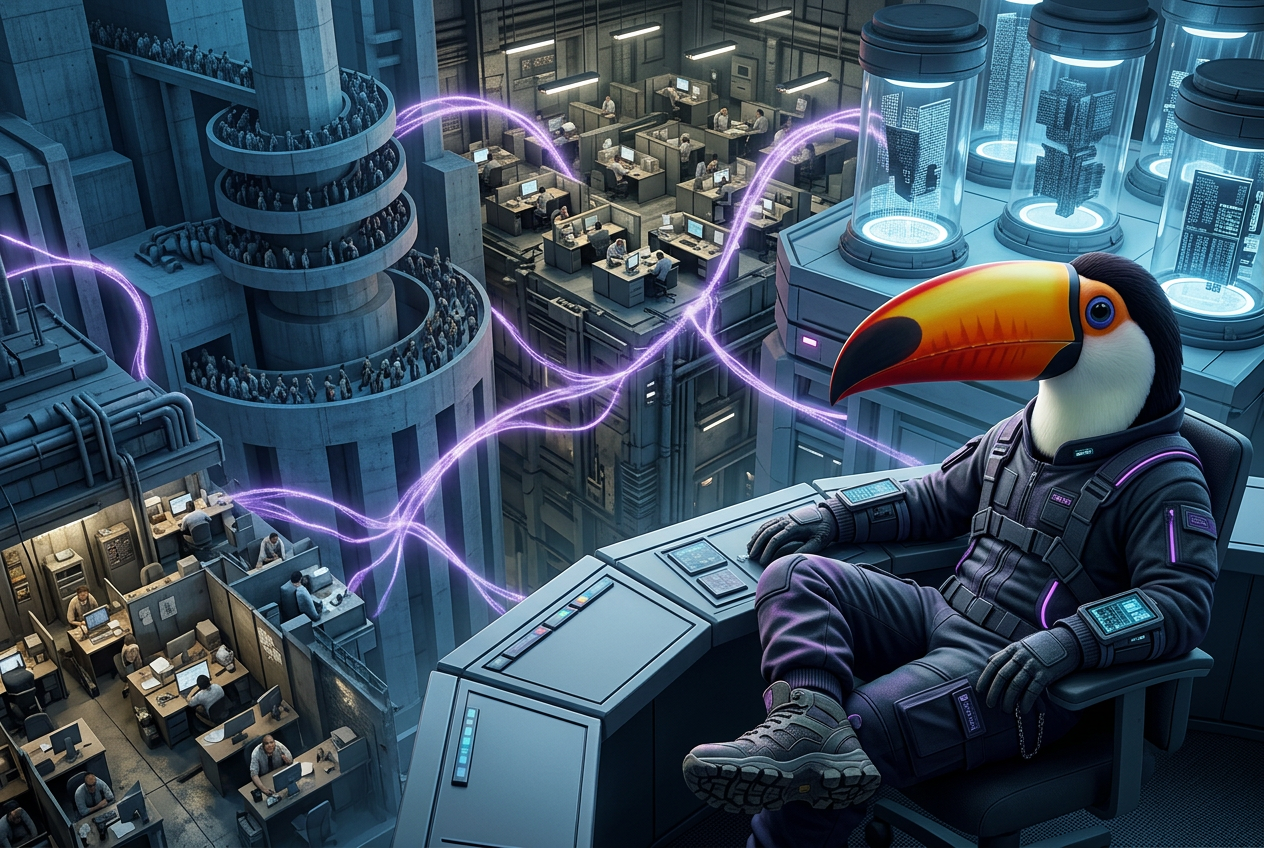
When you try to scale AI video creative, traditional workflows are typically blocked by three major bottlenecks: the high cost of traditional agencies, the limited bandwidth of in-house teams, and the lack of angle diversity in single-tool AI generators.
Let's break down why these traditional methods fail when you try to hit high-volume testing:
1. Agency Turnaround Times: Traditional creative agencies are built for broadcast, not performance marketing. They often require 4-6 weeks to deliver a handful of assets. In the performance world, trends die in 72 hours. You cannot wait a month for a video that might not even convert. 2. In-House Burnout: Forcing your internal video editors to churn out 30 unique ads a week leads to creative fatigue. They inevitably start recycling the same templates, resulting in "ad blindness" for your audience. 3. Single-Tool AI Limitations: Many marketers try to scale by using standalone AI video generators. While these tools are fast, they lack human ingenuity. If one person prompts an AI tool, you get one perspective. You miss out on the wild, unexpected angles that drive true virality.
As performance marketing expert David Herrmann notes: "Creative is the new targeting. If you aren't testing 20 to 30 new video concepts a week, you're flying blind in today's algorithmic ad platforms."
How Can You Scale AI Video Creative Without Losing Quality? (The 4-Step Framework)
To scale AI video creative effectively, you must shift from a "production" mindset to an "orchestration" mindset. This means building a system where multiple creators generate diverse assets based on a unified strategy.
Here is the step-by-step framework to achieve high-quality volume.
Step 1: How Do You Build a Modular Creative Brief?
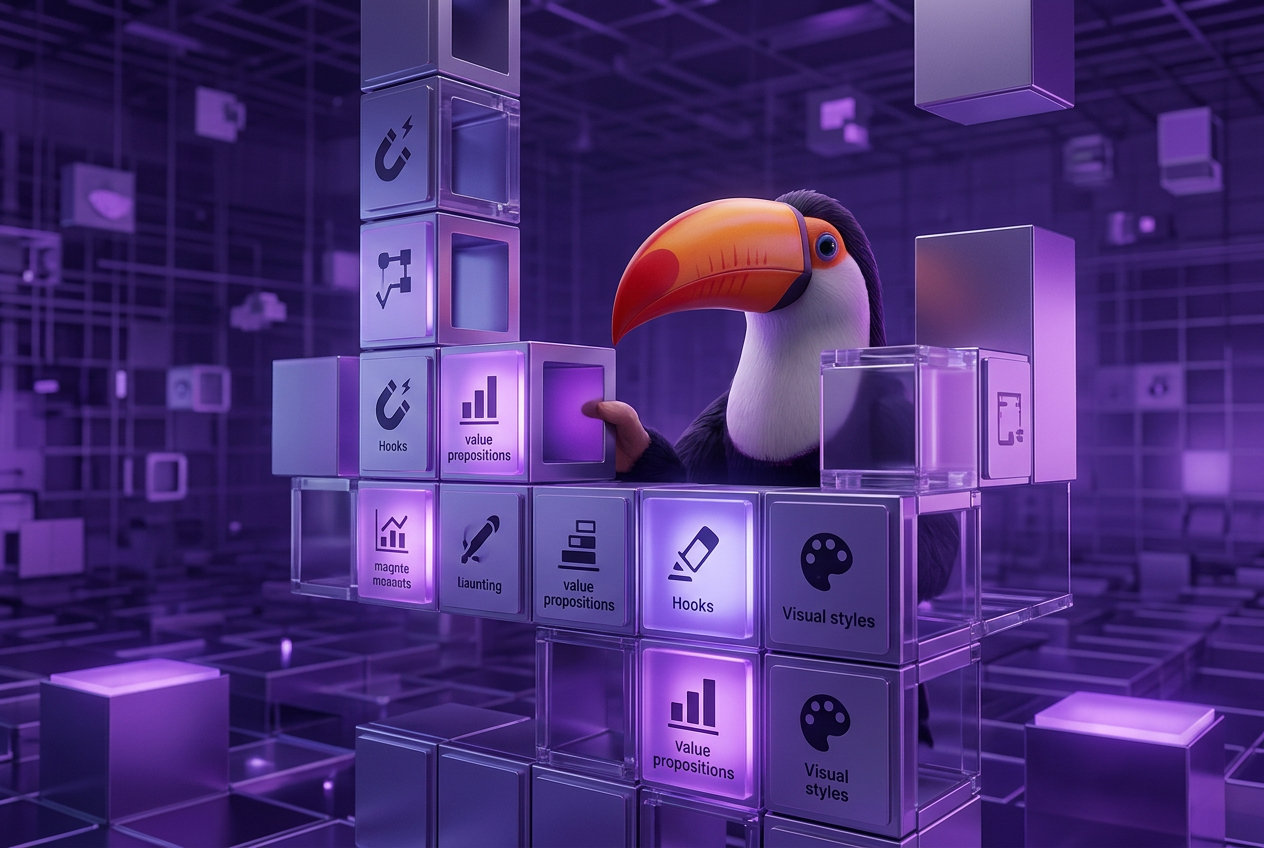
You build a modular creative brief by separating your core value propositions from your hooks and visual styles, allowing creators to mix and match elements. A rigid script stifles creativity, but a completely open brief leads to off-brand chaos.
Instead of writing a word-for-word script, outline the following: * 3 Core Hooks: (e.g., "Stop wasting time on X," "The secret to Y," "Why I switched to Z"). * 3 Value Props: (e.g., Saves time, eco-friendly, cost-effective). * 3 Visual Styles: (e.g., Green screen, unboxing, direct-to-camera).
By providing these modules, you empower creators to generate dozens of unique permutations. This is a foundational step in any successful AI video marketing strategy.
Step 2: Why Should You Leverage AI Video Contests Over Traditional Teams?
You should leverage AI video contests because they instantly multiply your creative brainpower by crowdsourcing production to hundreds of specialized AI creators simultaneously.
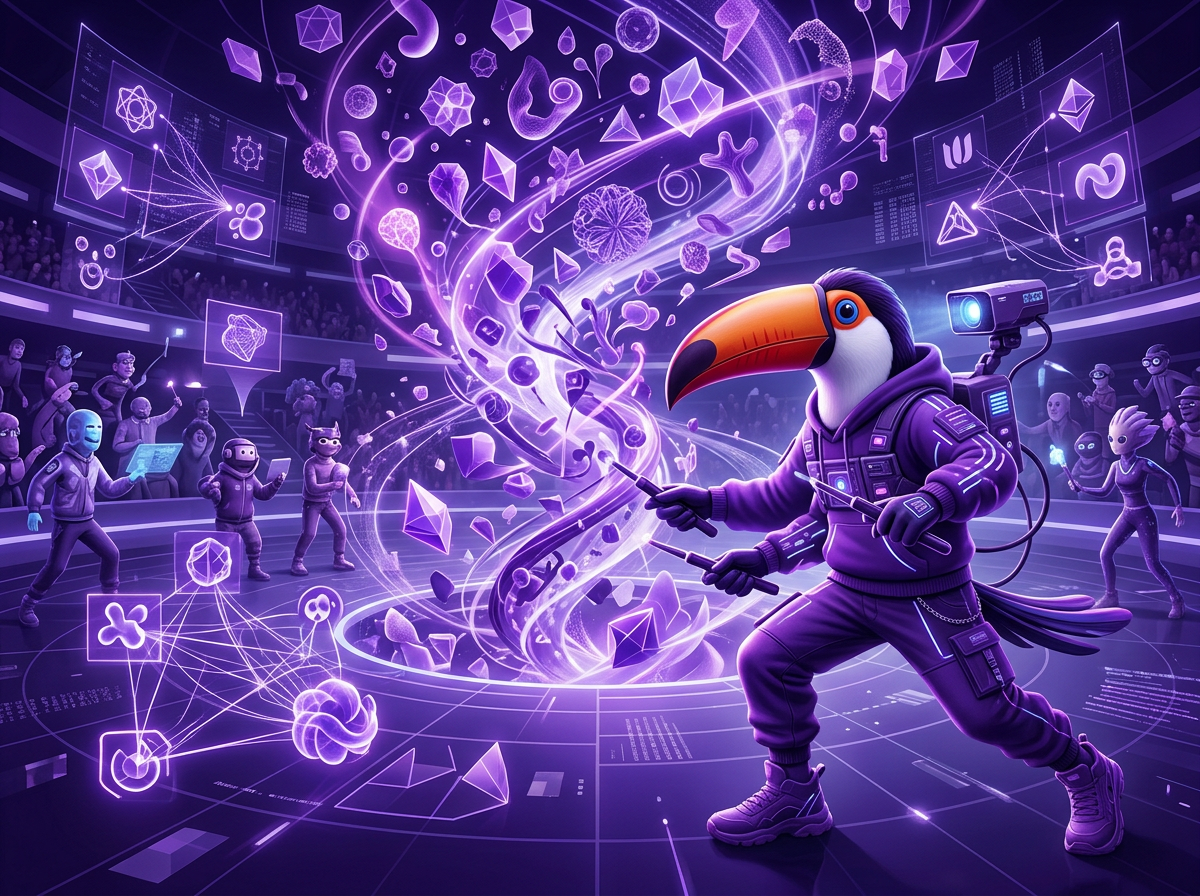
Instead of paying one editor to make ten videos, a platform like Anthum allows you to launch a brief to a vast creator marketplace. Creators use advanced AI tools to produce their best interpretations of your brief, competing for a prize pool.
This model solves the diversity problem. One creator might submit a hyper-realistic AI spokesperson ad, while another submits a fast-paced, trend-driven kinetic typography video. You get a massive variety of angles, styles, and hooks—all delivered at contest speed. If you want to scale UGC video effectively, the contest model is unmatched.
Step 3: How Do You Test High-Volume Submissions Effectively?
You test high-volume submissions effectively by implementing a structured judging pipeline and launching campaigns using dynamic creative testing (DCT) on platforms like Meta or TikTok.
When a contest yields 50 to 100 video submissions to scale AI video creative efforts, you cannot manually guess which one will win. You need an end-to-end OS to manage the influx. * Filter for Brand Safety: Quickly reject videos that violate your brand guidelines. * Group by Concept: Categorize the remaining videos by their core angle (e.g., "Educational" vs. "Entertaining"). * Launch Broadly: License the top 15-20 assets and load them into a DCT campaign. Let the algorithm spend your budget on the variations that garner the most engagement and lowest CPA.
Step 4: What Is the Best Way to Iterate on Winning Angles?
The best way to iterate on winning angles is to dissect the data from your initial test, identify the specific elements driving conversions, and launch a subsequent "iteration brief" focused solely on those elements.
If a video with a "3 reasons why" hook and a neon-purple background drove a 3x ROAS, do not just let it run until it fatigues. Launch a new contest asking creators to produce 20 variations of that specific hook. Change the AI voiceover, swap the background music, or alter the pacing.
Looking at top-performing AI video ad examples reveals that the biggest winners are rarely the first draft—they are the fourth or fifth iteration of a proven concept.
How Does Anthum Transform the Creative Testing Workflow?
Anthum transforms the creative testing workflow by consolidating the brief, the creator marketplace, the AI generation tools, and the licensing process into a single, end-to-end operational system.
Historically, performance marketers had to duct-tape their workflows together. You would write a brief in Google Docs, hunt for creators on freelance platforms, wait for them to use their own AI generators, review files in Dropbox, and manually handle payouts and usage rights.
Anthum eliminates this friction. By combining AI video contest mechanics with a robust campaign management OS, brands can launch a brief on Monday, receive dozens of diverse, AI-generated submissions by Wednesday, and have licensed, ready-to-launch assets by Friday. The platform handles creator payouts and transfers full usage rights, meaning you can immediately plug these assets into your ad accounts and start testing.
Stop Guessing and Start Scaling
Ad fatigue is not a problem you can solve by simply working harder or spending more on a single hero video. The algorithms demand volume, diversity, and rapid iteration. To survive in today's performance marketing landscape, you must scale AI video creative systematically.
By adopting a contest-based model, you unlock the collective intelligence of an entire creator marketplace, ensuring your ad accounts are never starved for fresh, high-converting content.
Ready to flood your ad accounts with diverse, high-performing creative? Book a call with the Anthum team today and discover how our end-to-end AI video contest platform can slash your CPA and scale your ROI.